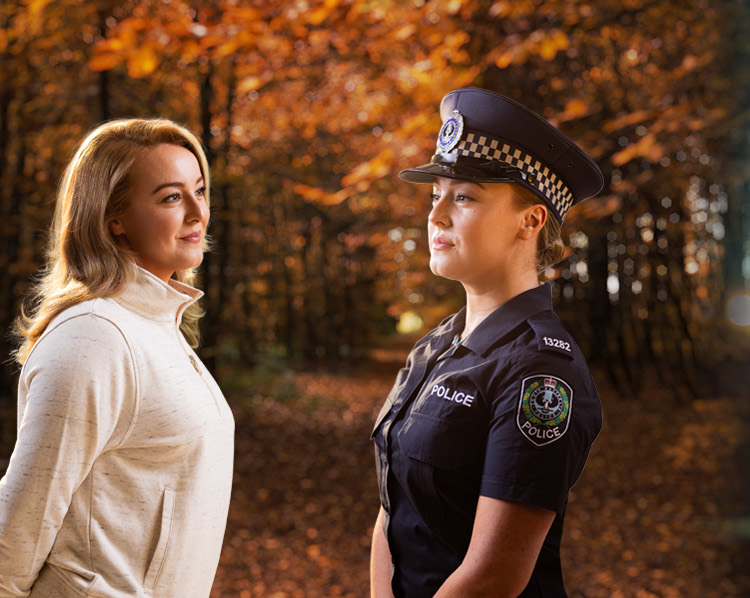
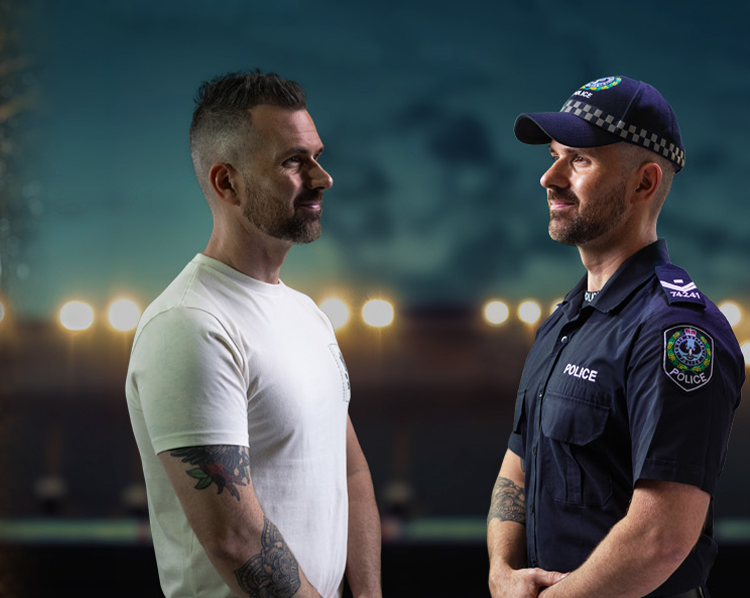
SAPOL Police Officers

Police Officers – About You

You may have learnt more about SAPOL, the opportunities, the challenges and the rewards available, but now it’s time to find out more about yourself. This page details the skills and personal qualities that we know are essential for becoming a great Police Officer. So it’s time to consider your own values, behaviours, abilities and characteristics and decide whether the challenge of being a Police Officer is right for you.

So what are we looking for?
As a Police Officer you'll need to be able to undertake many different tasks – from basic reporting to handling violent, difficult or distressing situations. Can you act decisively, communicate clearly and problem solve? Are you socially aware and able to demonstrate initiative, sound judgment, assertiveness, empathy and strength of character? Then it sounds like you have got a lot of the qualities we value. However, to apply you also need to meet the following requirements:

Citizenship
You must either be an Australian Citizen, hold permanent Australian residency status or hold New Zealand citizenship.

Personal qualities
You must be of excellent character, honest, dependable, self-confident, tolerant, understanding, highly motivated, culturally sensitive and committed to community safety and service. Some current or previous involvement within the community is desirable.

If you have a previous criminal history or serious traffic offences you should discuss these matters with us before you apply.

Communication
The ability to deliver accurate information, when time is of the essence is critical.

Age
To apply you will need to be at least 18 years old before commencing your cadet training course. If you’re a mature age person we encourage you to apply.

Driving licence
It’s essential that you hold either an unrestricted ‘Car’ class or a provisional driving licence and have experience in driving both manual and automatic vehicles. You will need an unrestricted ‘Car’ class licence before undertaking the 1B Patrol Driving Permit; If you hold a provisional licence you will only be able to undertake the 1A Limited Patrol Driving Permit.

Health and fitness
You must be medically and physically fit and will have to undertake medical and fitness examinations. If you’re over 35, you must undertake an electrocardiogram (ECG) before you participate in the physical agility testing.

Download more information about the Fitness Test (PDF, 16KB).

Download more information about the Fitness Training (PDF, 24KB).

Eyesight
You must have a minimum of 6/9 vision in each eye, either with or without visual aids.

Education
You will need to provide documentary evidence of the South Australian Certificate of Education (SACE), along with your Record of Achievement. 8 of your units at Stage 2 level must be graded at C standard or higher and 2 units must be arts, humanities or social and cultural studies subjects.

However, if you don’t meet these requirements you might also be considered for selection if you can demonstrate or produce evidence of an ability to cope with the academic aspects of recruit training and the demands of police duties.

Keyboard and computing skills
As part of your computer competency assessment you will be required to use Microsoft Windows XP. You’ll also need to have a typing speed of at least 26 wpm with 96% accuracy.

You can download details about the basic computer skills requirements (PDF, 88KB).

First aid
A nationally recognised current Basic First Aid Certificate (complying with Course Code HLTFA201A) is required before Recruits undertake the first out phase of the Constable Development Program. This can be obtained by completing a one day course, which you may arrange with one of the following organisations or an accredited organisation of your choice:

  • St John Ambulance Australia - (08) 8306 6900 (known as Emergency First Aid Course)
  • Australian Red Cross - (08) 8293 9200 or 1300 367428
  • Royal Life Saving Society - (08) 8234 9244
  • It’s important that the course you sign up for covers bleeding control and cardio-pulmonary resuscitation (CPR).